
On the tee
- The TSA does not allow golf clubs in carry-on bags. They go in checked baggage.
- Spare lithium batteries and power banks must travel in your carry-on, not in the club bag.
- Several Orlando-area courses list rental clubs on their websites.
Orlando is one of the busiest destinations in the country for golf trips, and many visitors arrive with a travel bag full of clubs. Getting them there safely is mostly about three things: knowing what the security rules allow, packing the bag so it survives the baggage system, and deciding whether you need to bring your own set at all. This guide starts with the rules, because they are the part you cannot negotiate at the airport.
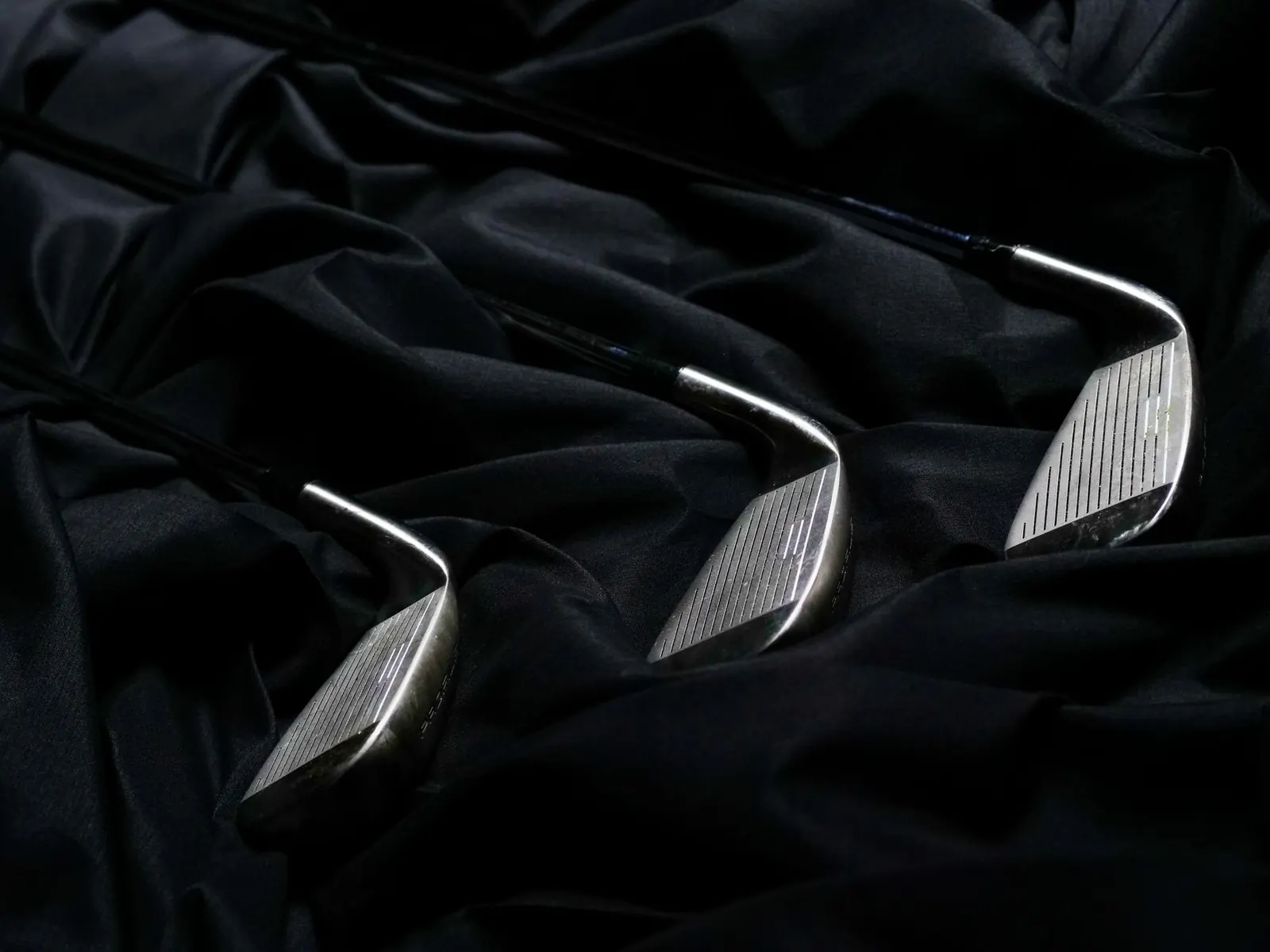
Clubs go in checked baggage
The Transportation Security Administration’s guidance on golf clubs is short. In carry-on bags: no. In checked bags: yes. That applies to the whole set, including putters and wedges, so plan to check your clubs rather than carry a favorite putter on board. The TSA also notes on every item page that the final decision rests with the officer at the checkpoint.
The TSA sets the security rules, but it does not set baggage fees or size limits. Those come from your airline. Many airlines treat a golf bag as sports equipment with its own rules on weight and size, so check your airline’s baggage policy before you book, especially if you are flying on more than one carrier.
Rangefinders, GPS devices and spare batteries
Golfers often travel with electronics: a laser rangefinder, a GPS watch, a phone charger, sometimes a power bank for a long day on the course. The TSA’s rule for spare lithium batteries is the one that catches people out. Spare, uninstalled lithium ion and lithium metal batteries, including power banks and phone charging cases, must be carried in carry-on baggage only. Lithium ion batteries are limited to 100 watt hours each, and lithium metal batteries to 2 grams of lithium each, which the TSA says covers nearly all batteries used in everyday personal electronics.
In practice, that means taking spare batteries and power banks out of the pocket of your golf bag before you check it. Devices with their batteries installed follow separate FAA rules for portable electronic devices; if you are unsure about a particular device, check the TSA and FAA guidance before you pack.
Tip: Keep a small pouch for all your golf electronics and spare batteries in your carry-on. It keeps them within the rules and away from rough handling.
Packing the travel bag
A golf bag in the hold can be dropped, stacked and thrown. A few simple steps reduce the chance of arriving with a broken shaft:
- Use a proper travel cover. Hard cases give the most protection; padded soft cases are lighter and easier to handle.
- Protect the driver and woods. Take the heads off adjustable clubs if you can, or wrap the heads in towels.
- Support the shafts. A stiff rod or support pole that stands taller than the driver takes the impact if the bag is dropped on its end.
- Fill the gaps. Pack clothes and towels around the clubs so they cannot rattle, but mind your airline’s weight limit.
- Label inside and out. Put your name and phone number on the outside and a copy inside the bag.
- Photograph the clubs. A quick photo before you leave helps if you need to make a damage or loss claim.
When renting makes more sense
If you are playing only once or twice, or you are flying on a fare that makes checked sports equipment expensive, renting can be the easier choice. Several courses in our Courses list rental clubs or rental equipment on their websites, and some offer club rental alongside large practice facilities. Call the golf shop ahead of time to ask what sets they have, whether they have left-handed clubs and whether you need to reserve them.
| Bring your own | Rent in Orlando |
|---|---|
| You are playing several rounds | You are playing one or two rounds |
| You rely on custom fitting or a specific set-up | You are a beginner or casual player |
| Your fare includes or allows sports equipment | Checked baggage fees would be high |
| You are staying at one base with a car | You are traveling light or on to other cities |
Balls, tees and the rest
Most of the small things in a golf bag are easy to replace in Orlando, where golf shops and pro shops are never far away. It can make sense to travel with a few sleeves of your usual ball and buy the rest locally. Remember sunscreen, a hat and a refillable water bottle; our guide to Playing Golf in Orlando Heat: Heat Index, Warning Signs and First Aid explains why water matters so much in the summer months. Liquids in your carry-on still follow the TSA’s usual liquids rules.
At the airport
Leave extra time to check a golf bag, since oversized items are often handled at a separate counter or belt. When you land, oversized baggage may also come out at a different place than regular suitcases. If your clubs are damaged or missing, report it to the airline before you leave the airport and keep copies of every document you are given.
Once the clubs are safely in Orlando, the rest of the trip is about timing. Our Orlando Golf Weather by Month: When to Play and What to Expect guide helps you pick tee times that suit the season.