
On the tee
- Unless the governing documents say otherwise, a fine may not exceed $100 per violation or $1,000 in total.
- An owner gets at least 14 days’ written notice of a hearing before an independent committee.
- Official records must be made available within 10 business days of a written request.
Key takeaways
- Florida’s homeowners’ association law is Chapter 720 of the Florida Statutes.
- Default fine limits are $100 per violation and $1,000 in total, unless the governing documents provide otherwise.
- A fine of less than $1,000 may not become a lien on the home.
- No fine or suspension without 14 days’ notice and a hearing before a committee of owners who are not board members.
- Owners can inspect and copy official records within 10 business days of a written request.
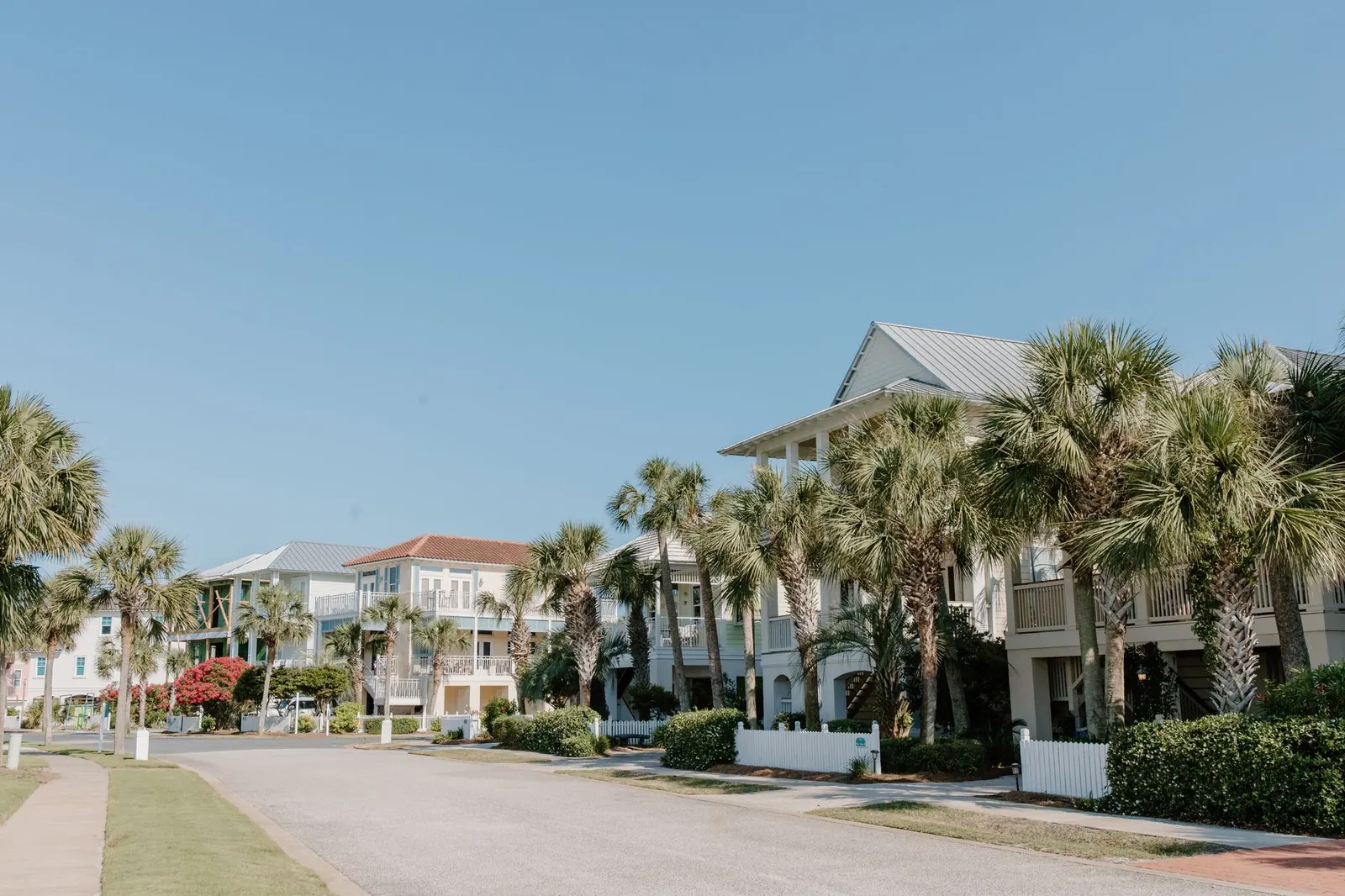
Life in a golf community comes with rules: what color you can paint the house, where you can park, whether you can put up a fence along the fairway, how you use the pool and clubhouse. When someone breaks a rule, the association can respond with fines or by suspending the use of common facilities. Florida law sets out how that must happen. This guide summarizes the main protections in Sections 720.305 and 720.303 of the Florida Statutes.
Everyone is bound by the documents
Section 720.305 begins by saying that each member, and the member’s tenants, guests and invitees, and the association itself, must comply with Chapter 720, the community’s governing documents and the association’s rules. Either side can go to court to enforce them, and the winning side is entitled to reasonable attorney fees and costs. That cuts both ways: an owner can sue an association that does not follow the law, as well as the other way around.
How much can a fine be?
The association may levy reasonable fines for violations of the declaration, the bylaws or reasonable rules. Unless the governing documents say otherwise, the statute sets two limits:
| Limit | Default rule in s. 720.305(2) |
|---|---|
| Per violation | No more than $100 |
| Continuing violation | The board may fine for each day, with a single notice and chance for a hearing |
| Total for a continuing violation | No more than $1,000 in the aggregate |
| Liens | A fine of less than $1,000 may not become a lien on the parcel |
The phrase “unless otherwise provided in the governing documents” is important. Some communities’ documents set different limits, which is one more reason to read them before you buy. Our guide to Buying a Home in a Florida Golf Community: The Disclosure Summary and Other Documents covers the documents to ask for.
Notice and a hearing come first
A board cannot simply send a bill. Before a fine or suspension may be imposed, the statute requires:
- At least 14 days’ written notice of the owner’s right to a hearing, sent to the owner’s mailing or e-mail address in the association’s records, and to any occupant involved.
- A description of the alleged violation, the action needed to cure it, if any, and the date, place and access details of the hearing.
- A hearing within 90 days of the notice, before a committee of at least three members appointed by the board who are not officers, directors or employees of the association, or their close relatives. The hearing may be held by phone or other electronic means, and the owner may attend that way.
- A majority vote of the committee. If the committee does not approve the fine or suspension, it may not be imposed.
- Written findings within 7 days of the hearing, including how to cure the violation or the date by which a fine must be paid.
If the violation is cured before the hearing, or in the way the notice specifies, no fine or suspension may be imposed. When a fine is approved, the payment date must be at least 30 days after the committee’s notice, and attorney fees cannot be charged to the owner for actions the board took before that date.
Tip: If you receive a violation notice, read the cure instructions first. Fixing the problem before the hearing can end the matter without any fine.
Suspending use of facilities
An association may suspend, for a reasonable period, an owner’s or occupant’s right to use common areas and facilities for violating the documents or rules, again after notice and a hearing. There are limits. A suspension cannot cut off the parts of the common areas that provide access or utilities to the home, and it cannot stop the owner or tenant from getting in and out of the property by car or on foot, including parking.
Separately, if an owner is more than 90 days late paying a fee, fine or other amount owed to the association, the association may suspend the use of common facilities until it is paid in full, and may suspend voting rights. For suspensions over unpaid amounts, the notice and hearing requirements do not apply.
Your right to see the records
Section 720.303 requires the association to keep its official records in Florida, generally for at least 7 years, and to make them available to an owner for inspection or photocopying within 10 business days after the board receives a written request. The records must be available within 45 miles of the community or within the county where the association is located, and an association may meet the duty by making records available online. Budgets, financial reports, contracts and meeting minutes are the kind of records owners most often ask to see.
When to get advice
Most disagreements in a community are settled with a conversation or a quick fix. When they are not, the rules above give both sides a fair process. If you face a large fine, a suspension or a dispute about what the documents allow, a Florida lawyer who handles community association matters can advise you. This guide is a summary of the statutes and not legal advice. For more on community life, see Golf Carts and Low-Speed Vehicles in Florida Communities: Which One Do You Need?.