
On the tee
- If you can hear thunder, you are close enough to be struck. Stop playing.
- A substantial building or a hard-topped car with the windows up is safe. A golf cart or rain shelter is not.
- Wait 30 minutes after the last thunder before you go back out.
Key takeaways
- The National Weather Service says there is no safe place outside when a thunderstorm is in the area.
- Thunder can usually be heard about 10 miles away, and a significant lightning threat extends about 6 to 10 miles from the storm.
- Open vehicles, rain shelters and small sheds are not safe shelters.
- Most lightning victims survive with fast help: call 911 and start CPR if needed.
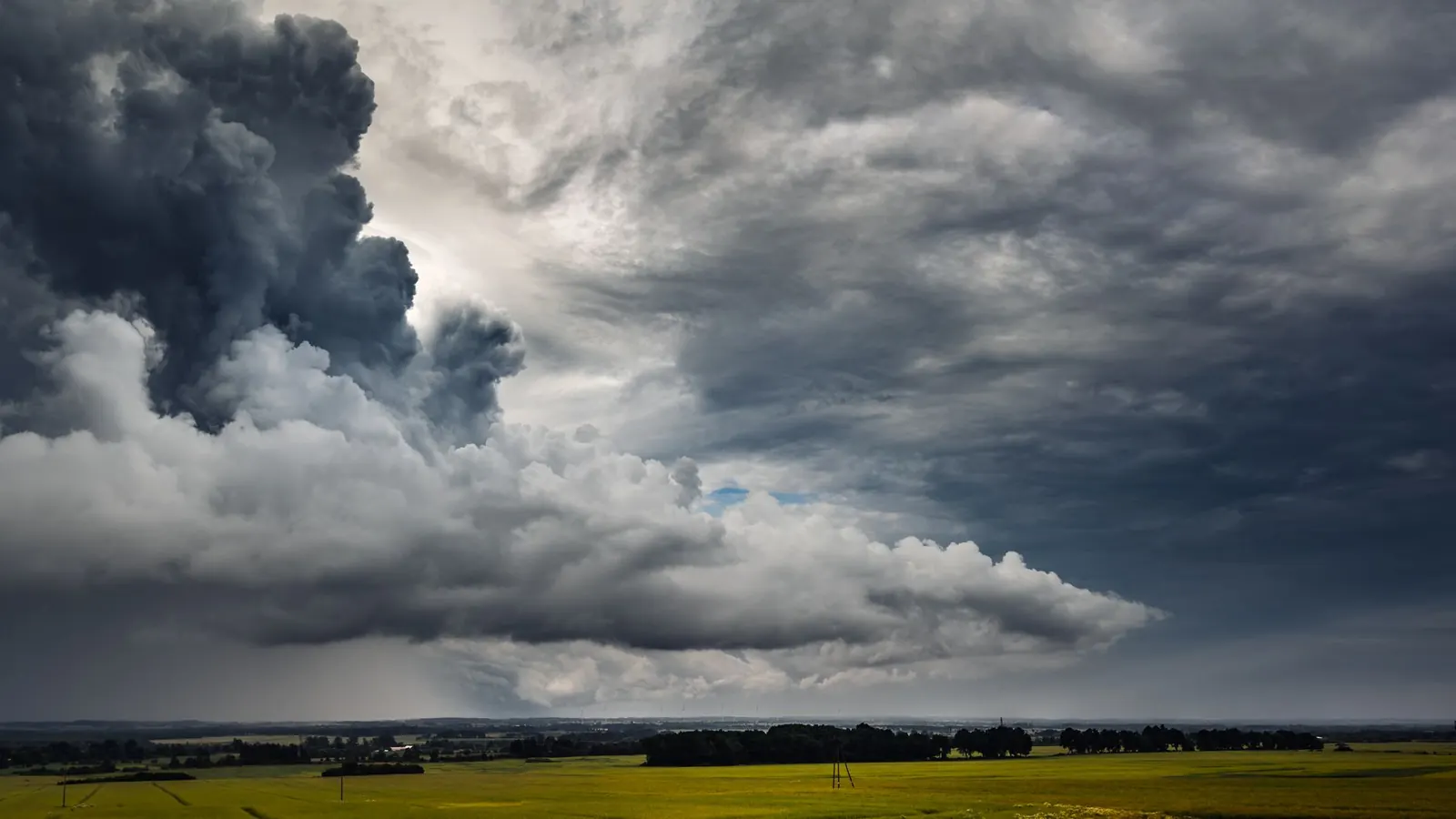
Central Florida summers bring frequent afternoon thunderstorms, and a golf course is one of the most exposed places you can be when one arrives. You are in open ground, often near water and tall trees, and sometimes a long way from the clubhouse. The National Weather Service puts its advice in four words: When Thunder Roars, Go Indoors. This guide explains what that means in practice when you are on the eleventh hole with a storm building to the west.
Why golfers wait too long
The weather service notes that many lightning deaths and injuries happen because people wait too long to get to a safe place. On a golf course the temptation is obvious: the sky is still blue overhead, you are playing well and there are only a few holes left. Some people move inside at the first rumble, others wait until the rain starts, and others go back out as soon as the rain eases. The weather service describes all of these as unsafe behaviors.
Part of the problem is that lightning does not stay under the rain. Some strikes reach out away from the storm, where people think the danger is low. In the weather service’s guidance for outdoor sports, a significant lightning threat extends outward from the base of a thunderstorm about 6 to 10 miles, and thunder can usually be heard about 10 miles away. If you hear it, it is a safe bet the storm is within range.
When to stop playing
The weather service lists three signals that should end play for an organized outdoor activity, and they work just as well for a foursome:
- You see lightning. In clear air, and especially near dusk, lightning can be seen from storms more than 10 miles away.
- You hear thunder. Wind and traffic can make thunder harder to hear, so do not assume silence means safety.
- The sky looks threatening. Storms can develop directly overhead, and some produce lightning as soon as they arrive.
Some courses sound a siren or horn to suspend play when lightning is detected nearby. If you hear one, treat it as an order, not a suggestion. But do not wait for a siren if you can already hear thunder yourself.
Where to go
According to the weather service, substantial buildings with wiring and plumbing give the greatest protection: the clubhouse, a restroom building with plumbing or another fully enclosed building. If no such building is near, a hard-topped metal vehicle with the windows closed also gives good protection. That usually means heading to the parking lot.
What does not count as shelter is just as important. The weather service says small outdoor buildings such as rain shelters and sheds are not safe, and it lists open vehicles among the unsafe options. A golf cart, even one with a roof, is an open vehicle. Neither is a tent, a picnic pavilion or the shade of a tree.
Tip: Before you tee off in summer, look at the course map and note where the clubhouse and any enclosed restroom buildings are. Knowing your nearest safe building on each nine saves time when it matters.
If you cannot reach safety
The weather service is clear that nothing makes you safe outside in a thunderstorm. If you are truly caught with no building or car within reach, it lists steps that may slightly lower the risk:
- Get off elevated ground such as hills and ridges.
- Never shelter under an isolated tree, and stay away from other tall, isolated objects.
- Get out of and away from ponds, lakes and other bodies of water.
- Stay away from objects that conduct electricity, such as fences and power lines.
- If you are in a group, spread out so the current cannot travel between you.
- Never lie flat on the ground.
Golf clubs do not attract lightning, but metal and water conduct electricity well, and the current from a strike can travel a long way along them. Put the clubs down and move away from the bag.
When to start again
Electrical charges can linger in the clouds after a storm seems to have passed. The weather service’s guidance is to wait at least 30 minutes after the last thunder before resuming outdoor activity. Every new rumble restarts the clock. That half hour can feel long when the sun is back out, but the period just after a storm is exactly when many people get caught.
If someone is struck
Most people struck by lightning survive, but they need medical help immediately. Call 911. The weather service stresses that lightning victims do not carry an electrical charge and are safe to touch. If the person’s heart or breathing has stopped, start CPR or use an automated external defibrillator if one is available, and keep monitoring them until help arrives. If you can do it safely, move to a safer place, because the storm may still be active.
Planning around storms
In Orlando’s wet season, the simplest protection is timing. Summer storms tend to build in the afternoon, so an early tee time gives you the best chance of a full round. Our month-by-month guide, Orlando Golf Weather by Month: When to Play and What to Expect, shows how much of the year’s rain falls from June to September. On the day, check the forecast and radar before you leave, and keep an eye on the western sky as you play.